1. What medical cannabis is: prescribed context
In the UK, cannabis-based products for medicinal use can be prescribed by a specialist doctor on the GMC specialist register, mostly through private clinics. A prescription is a clinical decision for an individual, with its own monitoring, legal and driving considerations. Nothing on this page replaces that.
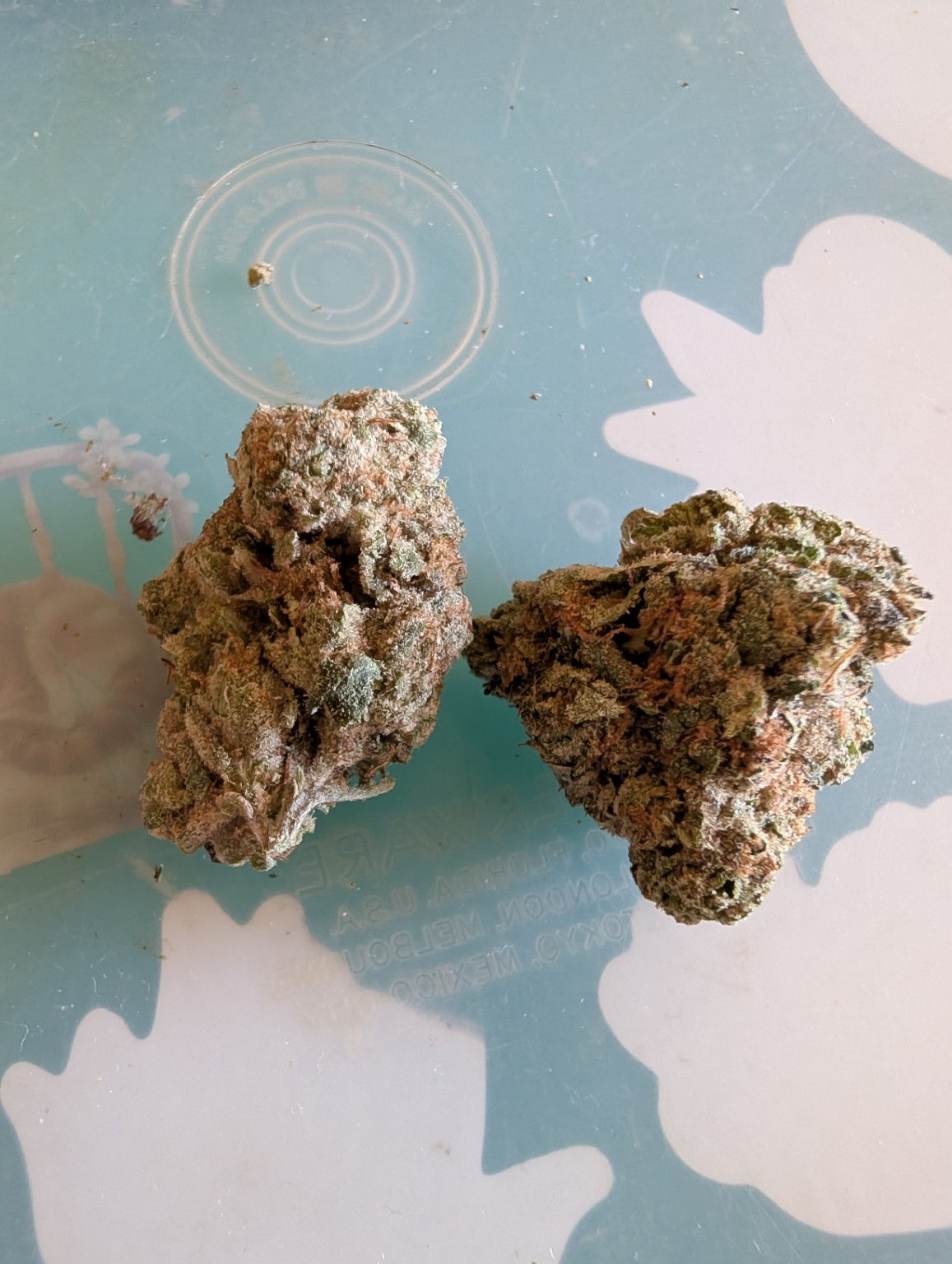
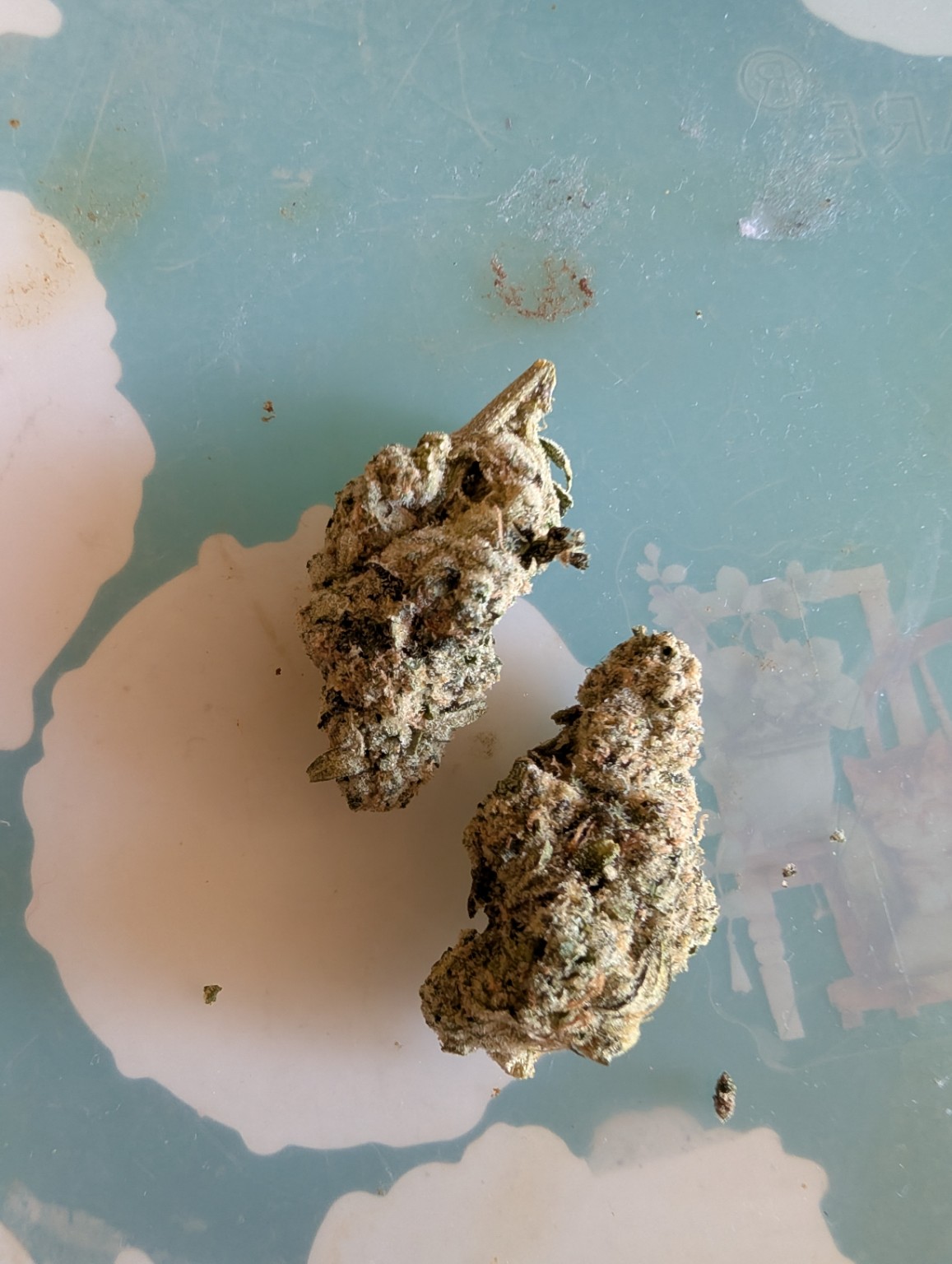
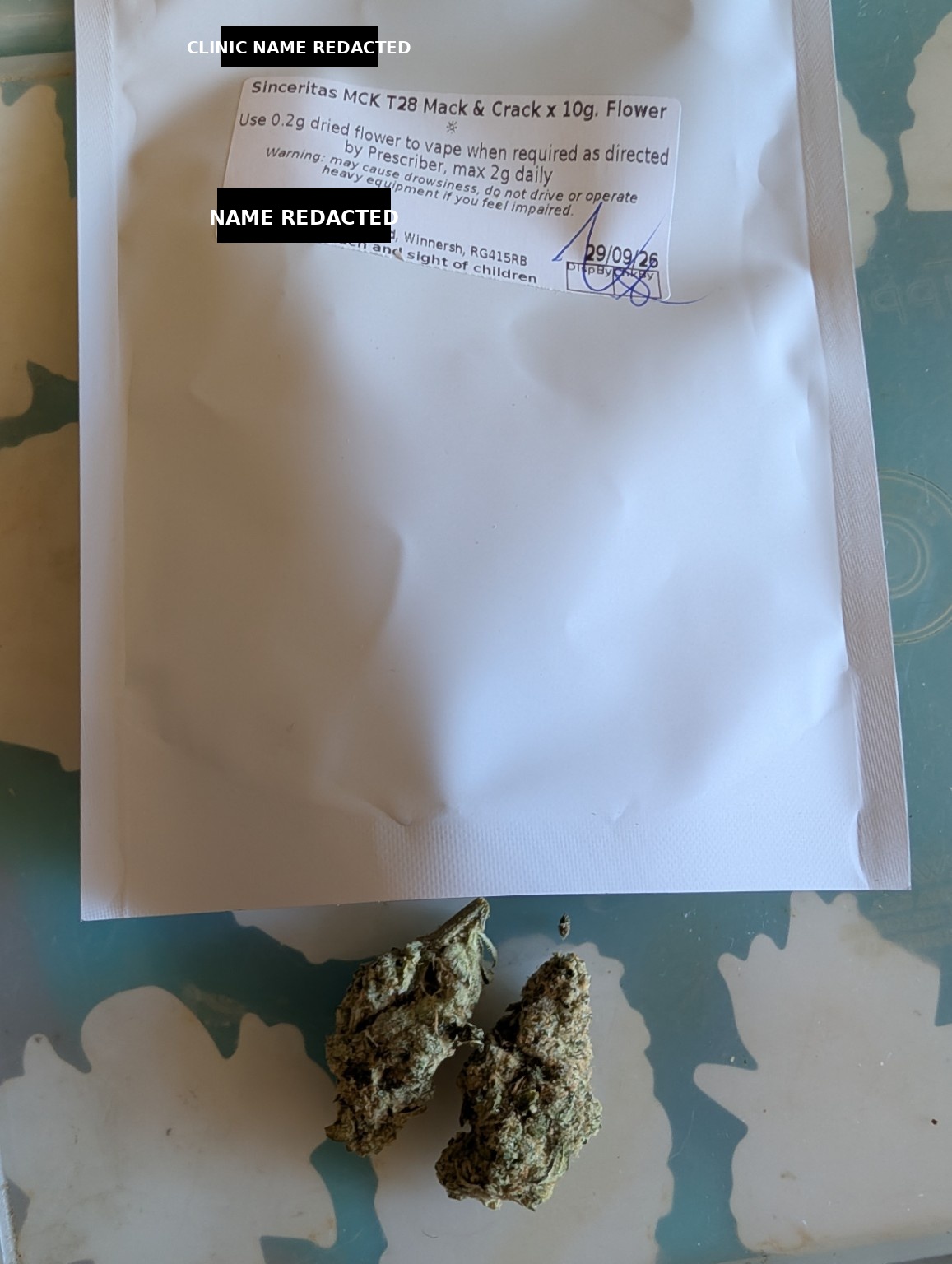
2. Flower vs oil, and why dry-herb vaporising can be easier
Flower and oil can feel very different in onset, duration and controllability Established. The personal preference here is flower via dry-herb vaporiser Hypothesis: no rolling, easier with shaky hands or executive dysfunction, no combustion, a more controllable routine, and more consistent supply than informal sources.
Vaporisers heat flower below combustion. Different compounds evaporate at different temperatures, so temperature can change what is inhaled Emerging. Specific temperature targeting for specific effects is part of the personal working notes, not general advice.
3. Cannabinoid reference
THC
Main intoxicating cannabinoid; CB1 receptor agonist Established. Licensed THC:CBD spray is used for MS spasticity Established. Effects on ADHD executive function: Hypothesis.
CBD
Non-intoxicating; licensed for some childhood epilepsies Established. May soften some THC effects such as anxiety Emerging.
THCV
Behaves differently from THC at CB1 depending on dose Emerging. A clearer, more functional personal response to THCV-associated cultivars is an N=1 observation Hypothesis.
CBG
Precursor cannabinoid; α2-adrenergic and other activity in lab studies Emerging. Possible overlap with guanfacine-like calming: Hypothesis.
CBN
Forms as THC ages; weaker at CB1 Established. Widely marketed for sleep with limited human evidence Emerging.
CBC
Non-intoxicating; anti-inflammatory and TRP-channel activity mainly in preclinical work Emerging.
4. Terpene reference
Terpenes shape aroma and may contribute to effect. Only β-caryophyllene has well-documented direct cannabinoid-receptor (CB2) binding Established. Most other terpene effect claims come from animal or lab studies at doses that may not match inhaled amounts Emerging.
β-Caryophyllene
Pepper, spice. CB2 agonist Established; anti-inflammatory role in humans Emerging.
Myrcene
Earthy, mango. Linked to sedation and muscle relaxation in animal work Emerging; “couch-lock” attribution Hypothesis.
Limonene
Citrus. Anxiolytic signals in small studies Emerging; focused uplift for ADHD Hypothesis.
Linalool
Floral, lavender. Calming effects in animal and aromatherapy studies Emerging.
α-Pinene
Pine. Acetylcholinesterase inhibition in lab work Emerging; offsetting THC memory effects Hypothesis.
Humulene / terpinolene
Humulene: woody, anti-inflammatory in lab work Emerging. Terpinolene-dominant profiles were a poor personal fit Hypothesis.
5. Entourage and interaction hypotheses
The “entourage effect” is the idea that cannabinoids and terpenes change each other’s effects. It is plausible and widely discussed, but human evidence is still limited Emerging. The MJB notes include a personal mechanistic model linking terpene combinations to motor, attention and arousal effects, including a model framed around SPG7 and ADHD. That model is a personal working hypothesis Hypothesis, not established medicine.
Medication interactions are real. Cannabinoids can interact with other medicines through liver enzymes Established. Tell the prescriber about every medicine and supplement.
6. Strain & chemovar reviews
Strain names are marketing labels; measured cannabinoid and terpene composition matters more where it is available. Reviews keep personal experience and product data in separate boxes. Open the strain & chemovar reviews →
7. Functional response analysis
Responses are logged in a living N=1 register: product, batch, time, setting, and the functional result (starting tasks, motor tension, pain, sleep, mood). One person’s log can generate good questions. It cannot establish what works for anyone else Hypothesis. The register and framework are in the Drive resources below.
8. Pedigree / lineage explorer
An interactive lineage explorer traces which cultivars descend from which. Shared ancestry can suggest similar chemistry, but batch testing beats family assumptions. The explorer is in the cannabis research folder below.
9. Safety, impairment and uncertainty
- Cannabis can worsen anxiety, cognition, motivation, mood or psychosis risk in some people.
- Driving with THC in the body above legal limits is an offence in the UK, including with a prescription if you are impaired.
- Long-term evidence for cannabis in ADHD is limited. Most claims here are lived experience or early science.
- The personal protocol in the source notes is a working record, not a dosing guide.