All diagrams in synapses and receptor signalling
Glutamate transmission
Glutamate transmission combines vesicle loading, receptors and uptake. An excitatory transmitter pathway is not a measure of ADHD severity.
Glutamate transmission
Scoped educational mechanism
Open larger diagram · Full-size PNG · Diagram page
Read the diagram explanation and sources
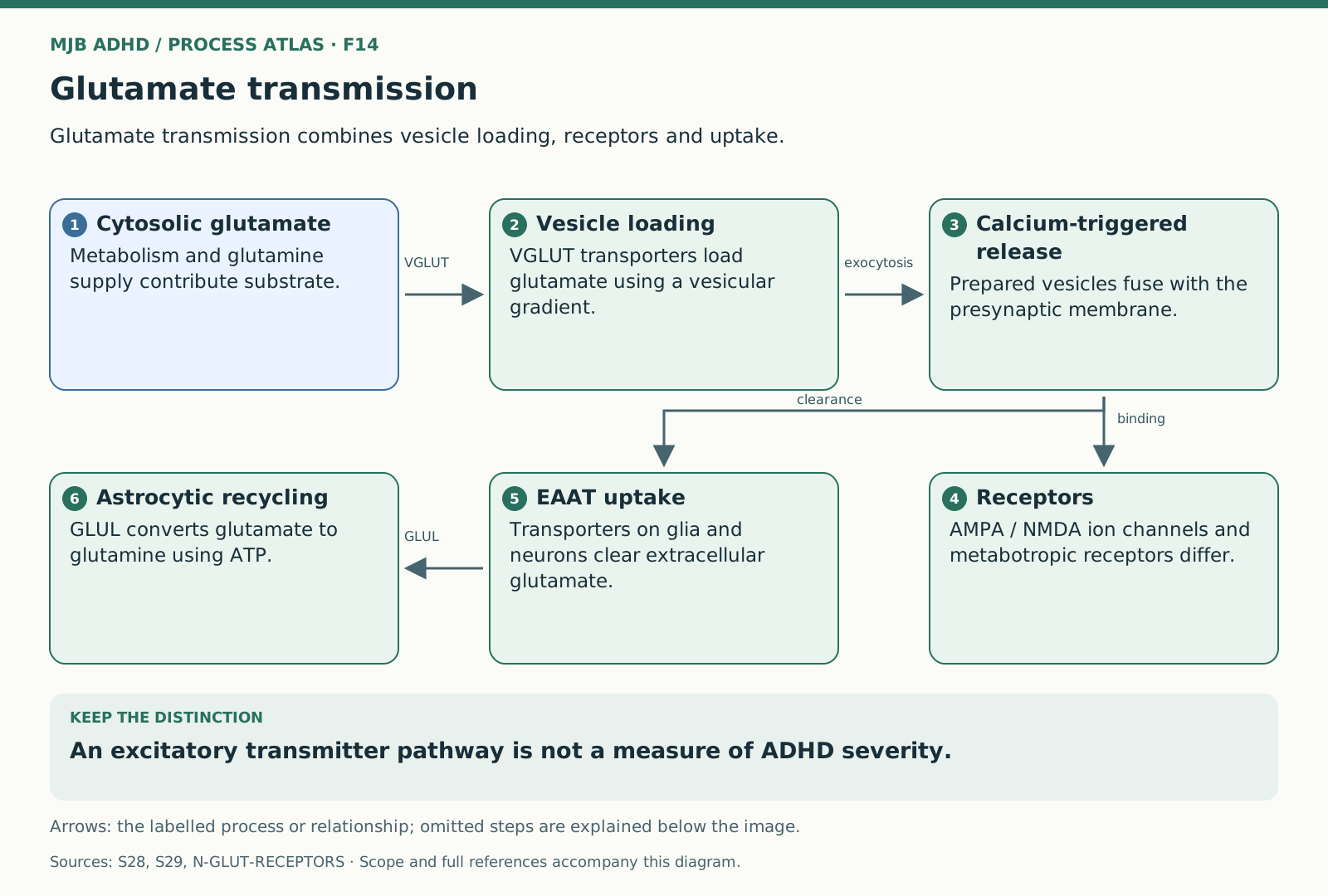
Presynaptic vesicular glutamate transporters load glutamate for release. Postsynaptic ionotropic and metabotropic receptors have different effects and kinetics. Extracellular glutamate is cleared by excitatory amino-acid transporters, including important astrocytic routes. Glutamine synthetase uses ATP to form glutamine, which can return to neurons. This is established neurotransmission; it does not diagnose excessive excitation, a glutamate defect or a particular cause of ADHD.
- Cytosolic glutamate → Vesicle loading: VGLUT
- Vesicle loading → Calcium-triggered release: exocytosis
- Calcium-triggered release → Receptors: binding
- Calcium-triggered release → EAAT uptake: clearance
- EAAT uptake → Astrocytic recycling: GLUL
What the diagram shows
Presynaptic vesicular glutamate transporters load glutamate for release. Postsynaptic ionotropic and metabotropic receptors have different effects and kinetics. Extracellular glutamate is cleared by excitatory amino-acid transporters, including important astrocytic routes. Glutamine synthetase uses ATP to form glutamine, which can return to neurons. This is established neurotransmission; it does not diagnose excessive excitation, a glutamate defect or a particular cause of ADHD.